SPACE WALK
My friend Maureen and I were up in the tree house watching a meteor shower. It was August, 1970, the summer of Kent State. A terrible
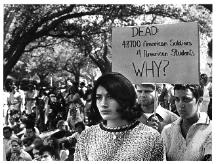
thing had happened in a place far away from here, a place called Ohio. It was all over the news. Some university students were protesting
the war in Vietnam. The National Guard suddenly broke out and shot them down. It made us mad and afraid and like we wanted to cry all
at the same time. As I lay there looking up, I wondered if those students who died had become stars; maybe they were part of this meteor
shower, falling stars, falling down, coming back home to earth. I didn’t say anything out loud but just lay there pondering that idea. My
friend, Maureen, and I were both almost ten and dreamed of becoming astronauts and going into space. We talked about it all the time.
Last summer the Apollo 11 mission had landed on the moon! It was so cool. I watched it on T.V. My heart skipped a beat when Neil
Armstrong stepped off the shuttle ladder and walked on the moon. Just thinking about it made my heart race. I reached for the latest
Marvel comic book. With the flashlight in hand, we silently gazed at the back cover. There was a contest: “Only $20 for a Chance to Go
to Space Camp!” We could learn to be astronauts. We didn’t discuss it but we both knew that it might as well have been a million dollars.
Suddenly a new flurry of meteors drew our attention back to the sky.
PARKING LOT
I knew I had to get out. The girl next door watched my baby while I went to work. I called and told her I’d give her $20 if she’d meet me
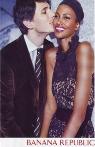
in the Safeway parking lot with my baby. I was scared, scared she wouldn’t come. She was black. I was white. My boyfriend was black.
I had no idea where her allegiance would lie. Would it be with my boyfriend because they were both black? Or would she support me, a
woman like her? After all, she’d heard the arguments through the paper thin walls, the crying, the pleading. And I’d heard her, too. I was
counting on that: her understanding and support, knowing that I was finally making a break for it, getting out. I prayed to god that she
would show up with my baby but I couldn’t worry about that now. I met the police up the street. They escorted me to the apartment so I
could get a few things for the baby. When we drove up, my boyfriend was there. He was standing on the sidewalk, stunned, pleading,
begging, crying. It was hard. The police were impatient. I had to hurry. I got the baby’s stuff and got in the police car. I didn’t care about
the furniture, or the stereo, the record collection, the T.V., none of that. I just wanted out. Nothing else mattered, except my baby. After
the police dropped me off at my mother’s, she drove me to the Safeway parking lot. That girl was there with my baby. I can’t even
remember her name, but I love that girl! Even though we didn’t really know each other, she had decided to help me - maybe she just really
needed the $20.
DAYDREAM
Being broke is tough. You have to do without, learn to let go and live in deprivation. I was talking with my friend, Brian, the other day. He
knows what it’s like to be poor, to be working and still not have enough. We’re just sitting there over our buck-thirty-five coffees in a
comfortable silence, the kind of silence that friends often share.
Suddenly he says, “You know, with some of the desktop publishing tools out there, counterfeiting has gone mainstream.”
“No kidding? I remember watching movies with crooks and their expensive engraving and printing equipment. Guess those days are gone.”
“Yeah, another era. But have you ever thought about it? I figure that with just a few hundred dollars and if you keep your production
small.”
“No, can’t say I have actually spent any time thinking about it, but it is an intriguing idea. I bet US money is widely accepted and trusted.”
“I was reading this article, I think it was in the Smithsonian, and it said that desktop counterfeiters are much harder to catch because the
systems they use are ubiquitous, and because of that, tough to identify. But beyond the prestige of the greenback, it is also the most easily
counterfeited currency.”
I think about it for a minute, and as if we are co-conspirators, I tell him, “I’m pretty talented artistically and know my way around
computer graphics tools.”
“Yeah, I guess over in Europe almost 80% of the hundred-dollar-bills are counterfeit,” he says.
“Really, even with the new watermark?”
“Yeah, you don’t even need to know computer graphics. You just have to have the right scanner. There’s this company called Visions,
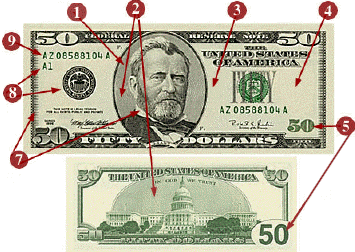
and they used the new counterfeit-resistant U.S. bills to advertise their color scanner. Their ad shows the scanned image of the
microprinting on the new $20 bill and the ad says something like: ‘No other scanner can scan twenty bucks and capture the hidden detail
as well as ours.’ But they had to pull the ad. Pressure from the U.S. Secret Service, you know.”
“God, just think about all the twenty dollar bills you could scan and what you could do with them.”
We just laughed, but the thought lingered.
COPYRIGHT LYNNE A. DUDDY 2009
My friend Maureen and I were up in the tree house watching a meteor shower. It was August, 1970, the summer of Kent State. A terrible
thing had happened in a place far away from here, a place called Ohio. It was all over the news. Some university students were protesting
the war in Vietnam. The National Guard suddenly broke out and shot them down. It made us mad and afraid and like we wanted to cry all
at the same time. As I lay there looking up, I wondered if those students who died had become stars; maybe they were part of this meteor
shower, falling stars, falling down, coming back home to earth. I didn’t say anything out loud but just lay there pondering that idea. My
friend, Maureen, and I were both almost ten and dreamed of becoming astronauts and going into space. We talked about it all the time.
Last summer the Apollo 11 mission had landed on the moon! It was so cool. I watched it on T.V. My heart skipped a beat when Neil
Armstrong stepped off the shuttle ladder and walked on the moon. Just thinking about it made my heart race. I reached for the latest
Marvel comic book. With the flashlight in hand, we silently gazed at the back cover. There was a contest: “Only $20 for a Chance to Go
to Space Camp!” We could learn to be astronauts. We didn’t discuss it but we both knew that it might as well have been a million dollars.
Suddenly a new flurry of meteors drew our attention back to the sky.
PARKING LOT
I knew I had to get out. The girl next door watched my baby while I went to work. I called and told her I’d give her $20 if she’d meet me
in the Safeway parking lot with my baby. I was scared, scared she wouldn’t come. She was black. I was white. My boyfriend was black.
I had no idea where her allegiance would lie. Would it be with my boyfriend because they were both black? Or would she support me, a
woman like her? After all, she’d heard the arguments through the paper thin walls, the crying, the pleading. And I’d heard her, too. I was
counting on that: her understanding and support, knowing that I was finally making a break for it, getting out. I prayed to god that she
would show up with my baby but I couldn’t worry about that now. I met the police up the street. They escorted me to the apartment so I
could get a few things for the baby. When we drove up, my boyfriend was there. He was standing on the sidewalk, stunned, pleading,
begging, crying. It was hard. The police were impatient. I had to hurry. I got the baby’s stuff and got in the police car. I didn’t care about
the furniture, or the stereo, the record collection, the T.V., none of that. I just wanted out. Nothing else mattered, except my baby. After
the police dropped me off at my mother’s, she drove me to the Safeway parking lot. That girl was there with my baby. I can’t even
remember her name, but I love that girl! Even though we didn’t really know each other, she had decided to help me - maybe she just really
needed the $20.
DAYDREAM
Being broke is tough. You have to do without, learn to let go and live in deprivation. I was talking with my friend, Brian, the other day. He
knows what it’s like to be poor, to be working and still not have enough. We’re just sitting there over our buck-thirty-five coffees in a
comfortable silence, the kind of silence that friends often share.
Suddenly he says, “You know, with some of the desktop publishing tools out there, counterfeiting has gone mainstream.”
“No kidding? I remember watching movies with crooks and their expensive engraving and printing equipment. Guess those days are gone.”
“Yeah, another era. But have you ever thought about it? I figure that with just a few hundred dollars and if you keep your production
small.”
“No, can’t say I have actually spent any time thinking about it, but it is an intriguing idea. I bet US money is widely accepted and trusted.”
“I was reading this article, I think it was in the Smithsonian, and it said that desktop counterfeiters are much harder to catch because the
systems they use are ubiquitous, and because of that, tough to identify. But beyond the prestige of the greenback, it is also the most easily
counterfeited currency.”
I think about it for a minute, and as if we are co-conspirators, I tell him, “I’m pretty talented artistically and know my way around
computer graphics tools.”
“Yeah, I guess over in Europe almost 80% of the hundred-dollar-bills are counterfeit,” he says.
“Really, even with the new watermark?”
“Yeah, you don’t even need to know computer graphics. You just have to have the right scanner. There’s this company called Visions,
and they used the new counterfeit-resistant U.S. bills to advertise their color scanner. Their ad shows the scanned image of the
microprinting on the new $20 bill and the ad says something like: ‘No other scanner can scan twenty bucks and capture the hidden detail
as well as ours.’ But they had to pull the ad. Pressure from the U.S. Secret Service, you know.”
“God, just think about all the twenty dollar bills you could scan and what you could do with them.”
We just laughed, but the thought lingered.
COPYRIGHT LYNNE A. DUDDY 2009
| The New York Optimist |

 |  |  |  |  |  |  |  |  |  |  |  |

| "Three Short Stories about Twenty Dollars by Lynne Duddy" |


SHARE